
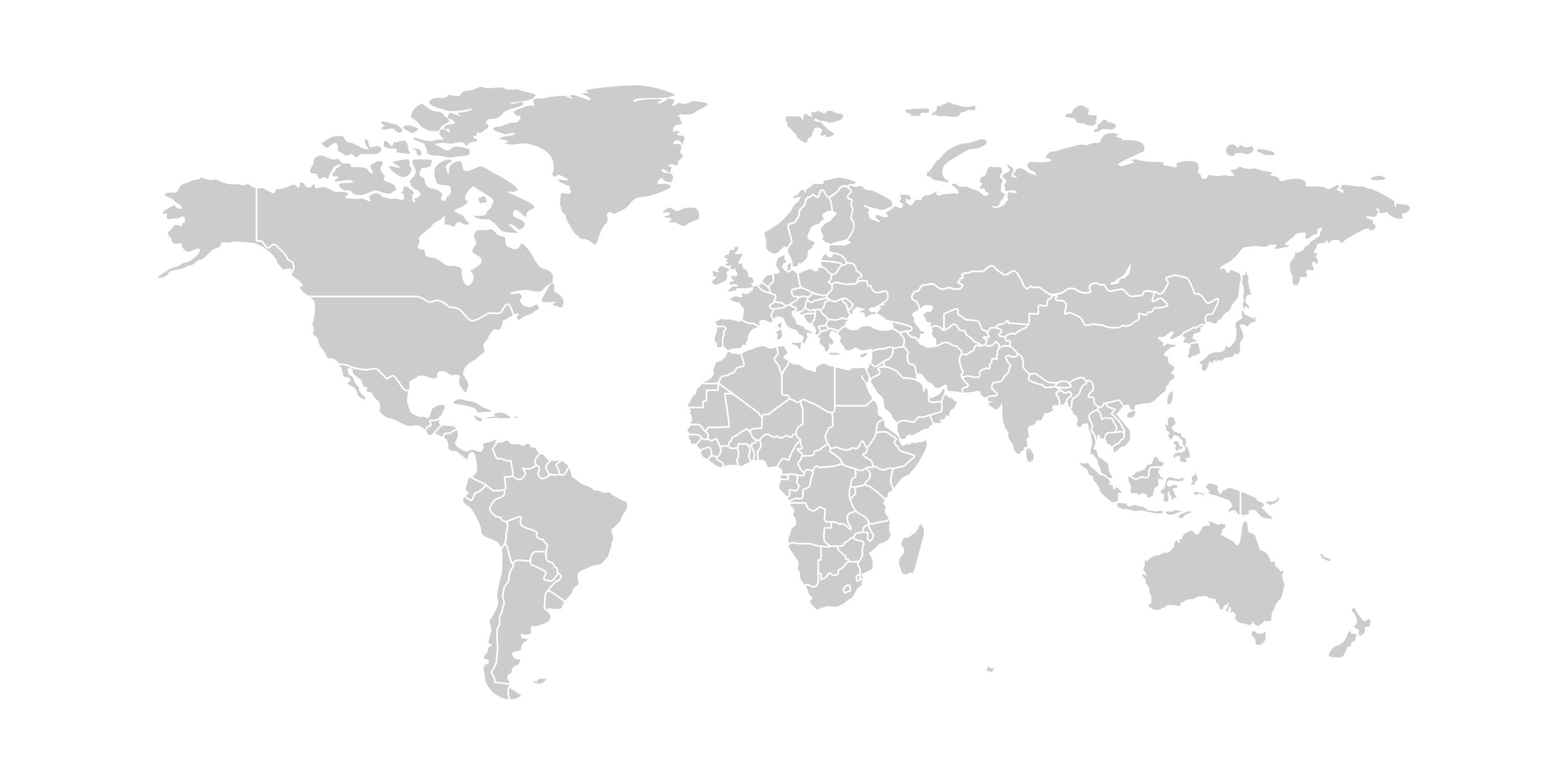
Southeast Asia is home to over 200 million motorcycles

Market Opportunity

Motorbike Market Size

Motorbike Market Size Southeast Asia 2024

Indonesia: 125M Gasoline Bikes, 100K E2W

Vietnam: 73M Gasoline Bikes, 2.3M E2W

Thailand: 158M Gasoline Bikes, 50K E2W
Malaysia: 13M Gasoline Bikes, 51K E2W
Philippines: 9M Gasoline Bikes, 32K E2W
Singapore: 147K Gasoline Bikes, 10K E2W
Market Opportunity

Unlocking Southeast Asia’s EV Revolution

Southeast Asia is home to over 200 million motorcycles, making it one of the largest two-wheeler markets in the world. With rising fuel prices, urban congestion, and worsening air quality, the shift toward electric mobility is not just inevitable — it’s accelerating. 

Over 6 million motorcycles sold annually across Indonesia alone. EV adoption is supported by government subsidies, rising smartphone penetration, and strong environmental awareness.

Jakarta Focus

Jakarta Focus

Strategic Moves:

  • Forge flagship partnerships with high-traffic locations — including QSRs, modern retail, schools, apartments, and office complexes — to anchor early charging infrastructure rollout
  • Launch cost effective urban EV models targeting both commuters and lifestyle riders
  • Collaborate with local government and PLN (state utility) on charging station operations
  • Establish flagship retail and service hubs across key Jakarta districts
  • Leverage social media influencers and urban sustainability advocates for brand positioning
  • Integrate with public transport nodes to promote last-mile connectivity
Medan Expansion

Medan Expansion

Rationale:

  • Largest city in Sumatra with over 2.5 million residents
  • Heavy motorcycle usage with limited EV penetration
  • Key logistics hub via Port of Belawan and Kuala Namu Airport
  • Growing air pollution concerns and traffic congestion
  • Provincial government interest in clean mobility programs
  • Young, tech-savvy, and increasingly environmentally aware population
  • Lower competition relative to Java’s urban centres

Strategic Moves:

  • Early B2B partnerships with ride-hailing and delivery platforms
  • Install charging stations at malls and parking centres
  • Launch targeted awareness campaigns via universities and community groups

Shopping Cart0

Cart